Traditional search optimization workflows depend on manual keyword research, fragmented writing tools, and isolated content calendars that fail to match modern digital velocity. Gavior resolves these bottlenecks by combining custom web development, digital engineering, and Gavior Orbit—an autonomous AI content operating system and technical SEO growth engine designed to automate technical site audits, keyword clustering, and multi-CMS publishing. When marketing teams rely on disjointed spreadsheets and standalone SEO plugins, they quickly encounter severe productivity ceilings that stall organic visibility.
Key Takeaways
- Legacy SEO tooling forces marketing teams to manage disjointed spreadsheets, stalling organic traffic growth and inflating administrative overhead.
- An autonomous AI content operating system automates technical audits, keyword mapping, and continuous content generation without manual friction.
- Gavior Orbit integrates automated internal linking via Orbital Mesh and multi-channel repurposing through Orbital Echo to scale reach securely.
- Modern web projects require unified platforms that bridge front-end digital engineering with automated organic growth engines.
- Implementing an automated publishing pipeline allows teams to focus on core product strategy while maintaining consistent search visibility.
The Structural Bottlenecks of Legacy SEO Toolchains
Legacy search optimization toolchains require constant manual intervention across every stage of the publishing lifecycle. Teams spend hundreds of hours building keyword spreadsheets, tracking rankings across disparate dashboards, and manually diagnosing technical site issues. This manual overhead creates severe latency between initial keyword discovery and final content publishing.
Furthermore, traditional content creation workflows rely on siloed tools that rarely communicate effectively with underlying technical infrastructure. Writers draft copy in standalone documents, editors review drafts offline, and developers manually format pages within content management systems. This disconnected process slows publication velocity, drains engineering bandwidth, and limits organic reach. Modern digital brands need a unified system that connects technical SEO directly to content execution, bypassing the administrative lag that plagues traditional marketing departments.
What Defines an Autonomous AI Content Operating System?
An autonomous AI content operating system unifies technical site audits, semantic keyword clustering, generative content workflows, and multi-platform auto-publishing into a single cohesive architecture. Instead of treating SEO and content production as separate tasks, an autonomous OS continuously evaluates site performance and executes targeted optimizations in real time.
Systems like Gavior Orbit operate directly within modern web environments, handling complex tasks without requiring manual oversight for every routine change. By automating keyword intent mapping and technical monitoring, digital teams can shift their focus entirely from administrative maintenance to high-level product strategy, customer acquisition, and technical refinement.
Case studies across digital engineering show that moving away from isolated plugins toward an integrated operating system dramatically reduces time-to-market for new service pages and product launches. Expert analysis consistently points to fragmentation as the primary root cause of organic traffic stagnation in growing enterprises.
Core Capabilities Driving Autonomous Growth
Autonomous growth engines rely on integrated architectural components designed to scale organic visibility securely. Gavior Orbit incorporates specialized automation frameworks that address core digital marketing bottlenecks:
- Technical SEO Automation: Continuous background audits identify indexing errors, broken links, and site speed bottlenecks before they impact search engine rankings.
- Orbital Mesh (Context-Aware Internal Linking): Automatically maps semantic relationships between pages to distribute authority flow across the entire site structure without manual link-building effort.
- Orbital Echo (Multi-Channel Repurposing): Transforms long-form authority articles into tailored formats for multi-platform distribution and engagement.
- Automated CMS Publishing: Direct integration with major environments like WordPress, Shopify, Webflow, and Ghost allows hands-off publishing with built-in review controls.
By leveraging robust web development alongside these proprietary AI capabilities, organizations ensure that their digital assets are optimized for both human users and evolving search algorithms.
Comparative Breakdown: Autonomous OS vs. Traditional Teams
Scaling organic traffic manually requires linear increases in headcount, budget, and coordination overhead. Traditional content teams spend up to 70 percent of their time on repetitive formatting, link management, and spreadsheet maintenance rather than strategic ideation.
An autonomous AI content engine removes these routine friction points entirely. By automating repetitive keyword clustering, internal linking, and technical checks, digital engineering teams can launch high-performing web applications and SaaS platforms while maintaining continuous organic visibility. Actionable tips for transitioning teams include auditing existing manual workflows, identifying repetitive tasks in content staging, and gradually routing those pipelines through an autonomous orchestration layer.
Step-by-Step Implementation for Modern Web Projects
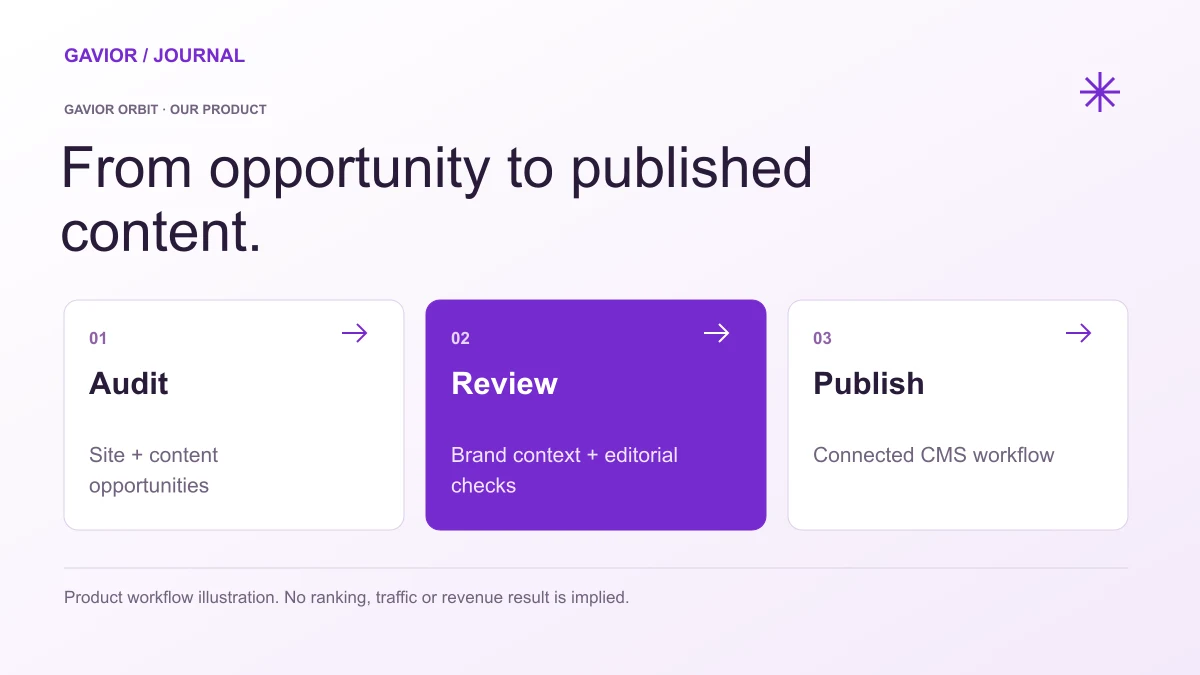
Deploying an autonomous growth engine requires a structured approach that aligns technical infrastructure with content strategy. Follow this actionable framework to transition from legacy toolchains to an autonomous content operating system:
- Audit Existing Architecture: Review your current CMS environment, technical site health, and existing keyword rankings to identify data gaps and technical debt.
- Define Intent Clusters: Map your core product offerings, such as SaaS development or web app development, to high-intent semantic clusters rather than isolated single-word keywords.
- Integrate Automated Workflows: Connect your technical SEO and content generation pipelines directly to your CMS using platforms designed for automated publishing.
- Establish Review Gates: Implement human-in-the-loop review controls for generated content to ensure brand voice consistency and accuracy before public release.
- Monitor and Scale: Track organic traffic growth, index coverage, and internal link distribution through unified analytics dashboards.
Whether you are building custom web applications or deploying enterprise cloud solutions, embedding automated SEO frameworks into your core architecture protects your digital investment against algorithm shifts and operational slowdowns.
Frequently Asked Questions
What makes an autonomous AI content OS different from standard SEO tools?
Traditional SEO tools only provide data and recommendations that require manual execution. An autonomous AI content OS actively automates technical audits, keyword clustering, content generation, and multi-CMS publishing.
How does Gavior Orbit handle internal linking?
Gavior Orbit utilizes Orbital Mesh, a context-aware internal linking engine that automatically establishes semantic relationships across your site to distribute authority flow efficiently.
Can autonomous AI content systems integrate with existing CMS platforms?
Yes. Gavior Orbit supports multi-platform auto-publishing to major content management systems including WordPress, Shopify, Webflow, and Ghost.
How do review controls work with an AI content autopilot?
An AI content autopilot allows teams to set automated generation rules while retaining built-in review checkpoints to approve or edit content before it goes live.
What types of businesses benefit most from an autonomous AI content OS?
Ambitious startups, scaling SaaS providers, and modern enterprises seeking sustainable, hands-off organic growth without expanding manual marketing headcount benefit the most.
Ready to turn these ideas into results?
Move from insight to action with a solution aligned to your goals.