
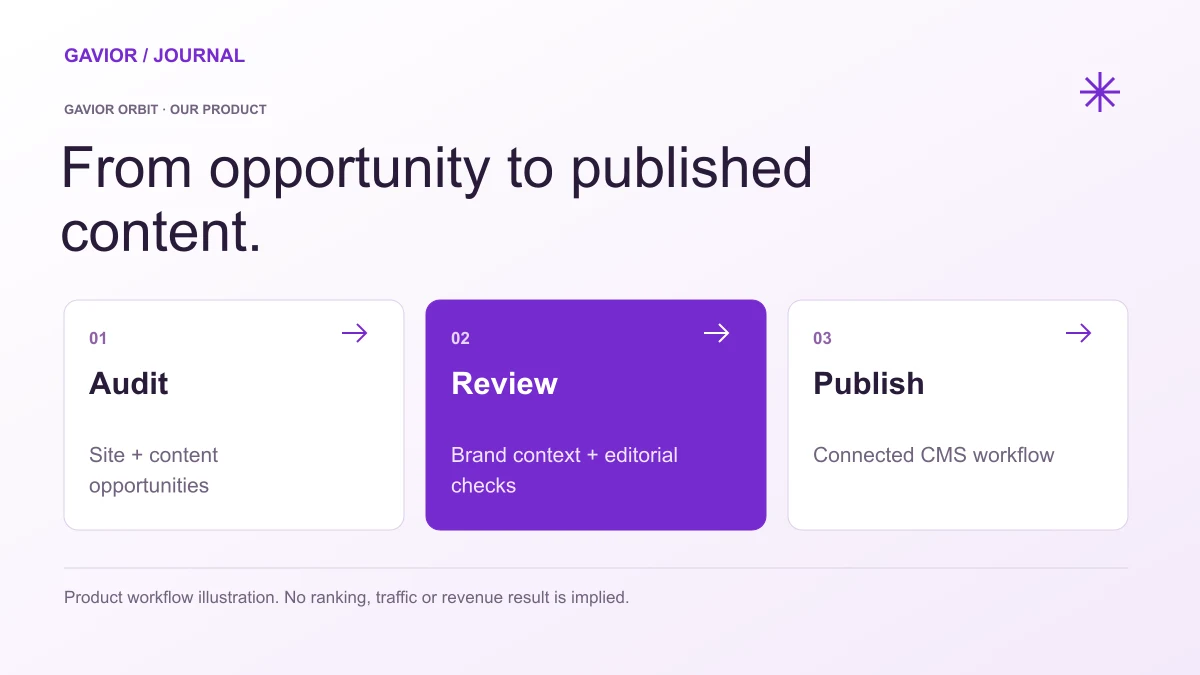
An AI content repurposing tool for enterprises is an autonomous software engine designed to systematically convert long-form source material, whitepapers, and webinars into multi-channel distributions without manual bottlenecks. Decision-makers implement these systems to eliminate repetitive editorial workflows, accelerate go-to-market timelines, and enforce brand voice consistency across diverse digital touchpoints. By leveraging advanced natural language processing and API integrations, modern digital engineering frameworks replace fragmented manual pipelines with scalable production-ready agentic workflows.
- Autonomous multi-channel distribution replaces manual copy-pasting with native CMS synchronization.
- Enterprise-grade deployments require strict security, access controls, and data privacy boundaries.
- Workflow automation slashes content production overhead while maintaining brand voice consistency.
- Custom AI architectures outperform generic plugins by integrating directly with existing technical stacks.
The Architecture of Enterprise Content Transformation
Scaling a digital presence requires more than basic generative text prompts. Traditional content teams struggle with high volume demands, often resulting in stagnant organic traffic and fragmented brand messaging. An enterprise-level system approaches this challenge through structural automation. By connecting deep technical SEO audits and keyword clustering engines with generative pipelines, organizations build a continuous loop of organic search visibility and audience engagement.
Through Gavior Orbit, our autonomous AI content operating system, businesses automate technical SEO audits, keyword clustering, and context-aware internal linking known as the Orbital Mesh. This approach ensures that every newly generated asset reinforces existing site architecture rather than creating isolated digital silos. Engineering teams rely on these robust structures to ensure sustainable digital growth without multiplying operational overhead.
Moving beyond basic text generation involves orchestrating complex background tasks that handle asset ingestion, metadata tagging, and semantic analysis simultaneously. When large organizations produce comprehensive research papers or extensive video transcripts, manual extraction of key quotes and structural summaries consumes valuable editorial bandwidth. Modern engineering teams solve this constraint by deploying custom data pipelines that parse raw source files, map them against verified taxonomy directories, and prepare structured payloads for downstream multi-channel conversion routines.
Scaling Distribution with Multi-Channel Repurposing
Content creation is only half the battle. Transforming a singular authoritative asset into actionable social snippets, email sequences, and localized documentation demands rigid multi-channel distribution protocols. Using components like Orbital Echo, an autonomous multi-channel AI content repurposing engine, teams convert comprehensive briefs into targeted formats configured for major content management systems.
Instead of relying on fragile monolithic plugins that slow down database response times, modern web applications utilize headless architecture and direct API integrations. This decouples the generation layer from the publishing layer, ensuring maximum uptime and security compliance across platforms like WordPress, Shopify, Webflow, and Ghost.
Furthermore, effective multi-channel deployment requires format-specific adaptation. A LinkedIn executive summary has vastly different structural requirements than a technical documentation update or an automated newsletter broadcast. By incorporating automated transcription and context-aware natural language processing models, platforms parse spoken webinars or dense briefs, reshaping the syntax to fit the precise conversational cadence and length restrictions of each target publishing destination without diluting the core message.
Security, Governance, and Data Privacy
Enterprise buyers cannot compromise on security and compliance. When deploying custom AI models or connecting automated workflows to proprietary codebases and customer databases, strict access boundaries are mandatory. Unlike off-the-shelf SaaS applications that pool user telemetry for public model training, dedicated infrastructure safeguards internal IP.
Whether deploying solutions within AWS, Google Cloud, or Azure hosting environments, engineering teams must establish clear tenant boundaries, encrypted API tokens, and granular review controls. Human-in-the-loop validation checkpoints ensure that automated outputs undergo professional editorial review before hitting production environments.
Comprehensive governance frameworks also extend to user permissions and audit logs. In regulated industries, every automated publishing action must be traceable back to specific administrative approvals or automated compliance checks. By integrating identity and access management solutions directly with web development architectures, enterprises maintain absolute oversight over their digital assets while enjoying the velocity of hands-off growth engines.
Measuring ROI and Economic Impact
Investing in custom AI automation requires rigorous financial modeling. Off-the-shelf software often introduces hidden costs through subscription creep, maintenance drift, and API rate limits. Conversely, building bespoke enterprise AI systems delivers predictable long-term cost efficiency by aligning infrastructure directly with commercial outcomes.
Organizations measure success through reduced content turnaround times, increased organic search impressions, and lower cost-per-acquisition metrics. By automating repetitive operational tasks, internal engineering bandwidth shifts away from tedious manual publishing and toward high-value product innovation.
When evaluating the total cost of ownership, leadership must weigh the recurring licensing fees of multiple fragmented marketing tools against the unified economics of an integrated AI operating system. Consolidating keyword research, content drafting, technical auditing, and multi-CMS publishing into a single developer-backed infrastructure eliminates software bloat and accelerates time-to-market for commercial campaigns.
Frequently Asked Questions
How long does it take to integrate an AI repurposing tool into an existing enterprise tech stack?
Integration timelines depend on existing infrastructure complexity, API availability, and CMS architecture. Standard deployments utilizing modular web frameworks typically move from initial scoping to production-ready automated publishing within a few weeks.
Can AI maintain a consistent brand voice across multiple channels?
Yes. Modern autonomous systems utilize structured style guides, custom prompt parameters, and contextual metadata to ensure that repurposed assets mirror the exact tone, terminology, and stylistic nuances of the brand.
What is the difference between standard and enterprise-grade repurposing tools?
Standard tools rely on basic, consumer-facing wrappers with limited editing controls and generic templates. Enterprise-grade platforms offer deep API integrations, multi-tenant security, automated technical SEO clustering, and customizable human-in-the-loop review workflows.
How do enterprise AI content tools protect proprietary data?
Enterprise deployments utilize isolated cloud environments, strict IAM access policies, and private model endpoints that prevent internal corporate data from being utilized for public model training or third-party data harvesting.
Tactical Implementation Roadmap
Moving from manual content operations to an automated ecosystem requires a methodical engineering approach. Begin by auditing your existing CMS and digital assets to identify high-traffic content ripe for expansion. Next, establish secure hosting parameters across cloud infrastructure providers such as AWS or Azure. Finally, integrate an autonomous AI content operating system to handle live SEO detection, keyword clustering, and multi-channel publishing with built-in review controls to guarantee total editorial oversight.
Ready to turn these ideas into results?
Move from insight to action with a solution aligned to your goals.