
Business websites · New builds and redesigns
Make your business clear. Give buyers a useful next step.
Website design and development for businesses in India and international teams: clear service pages, mobile layouts and an enquiry journey your team can follow up. Start with a focused launch or plan a redesign around the pages and leads you need to preserve.
Explore the scopeStart with email follow-up or WhatsApp. No payment required to send a brief.
Client websites
Explore the websites
we’ve built.

Choose a relevant reference
Inspect the work.
Bring your own brief.
These named examples already appear in Gavior's website portfolio. Use the public presentation to discuss a direction; your project needs its own scope and acceptance checks.
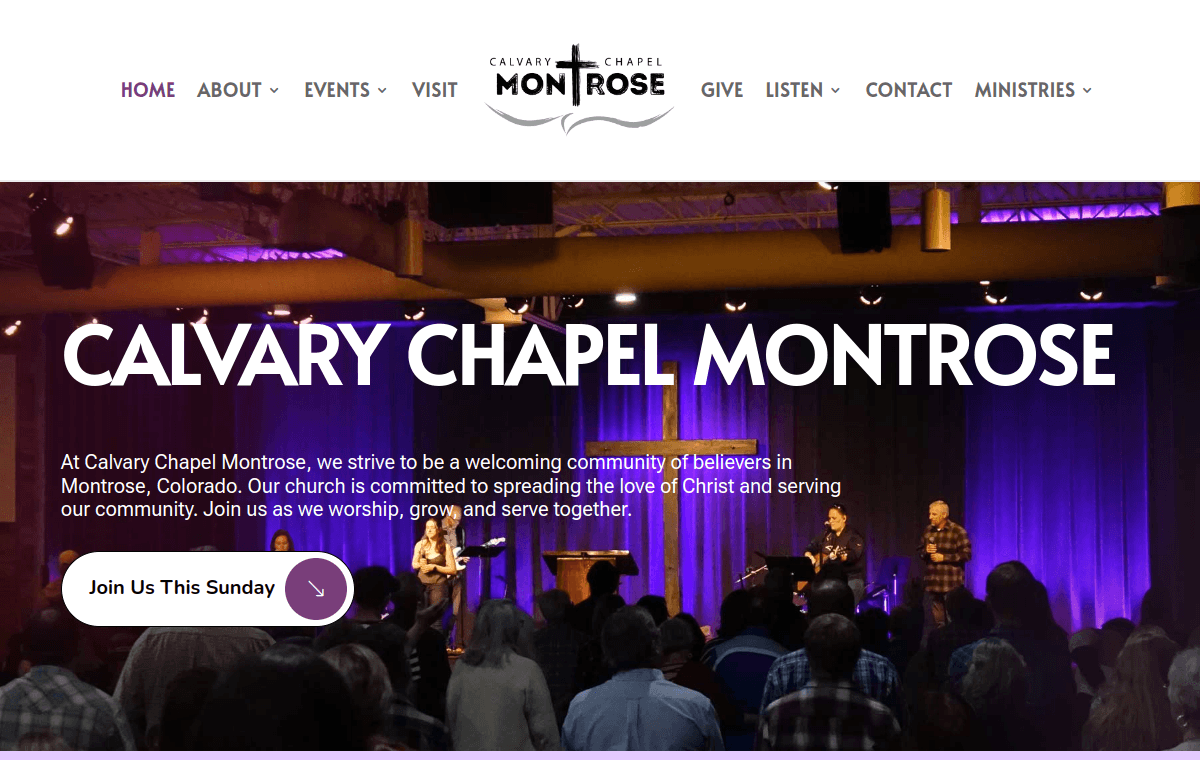
Calvary Chapel Montrose
For a community website, review how its public information helps a first-time visitor understand the organisation and find their next step.
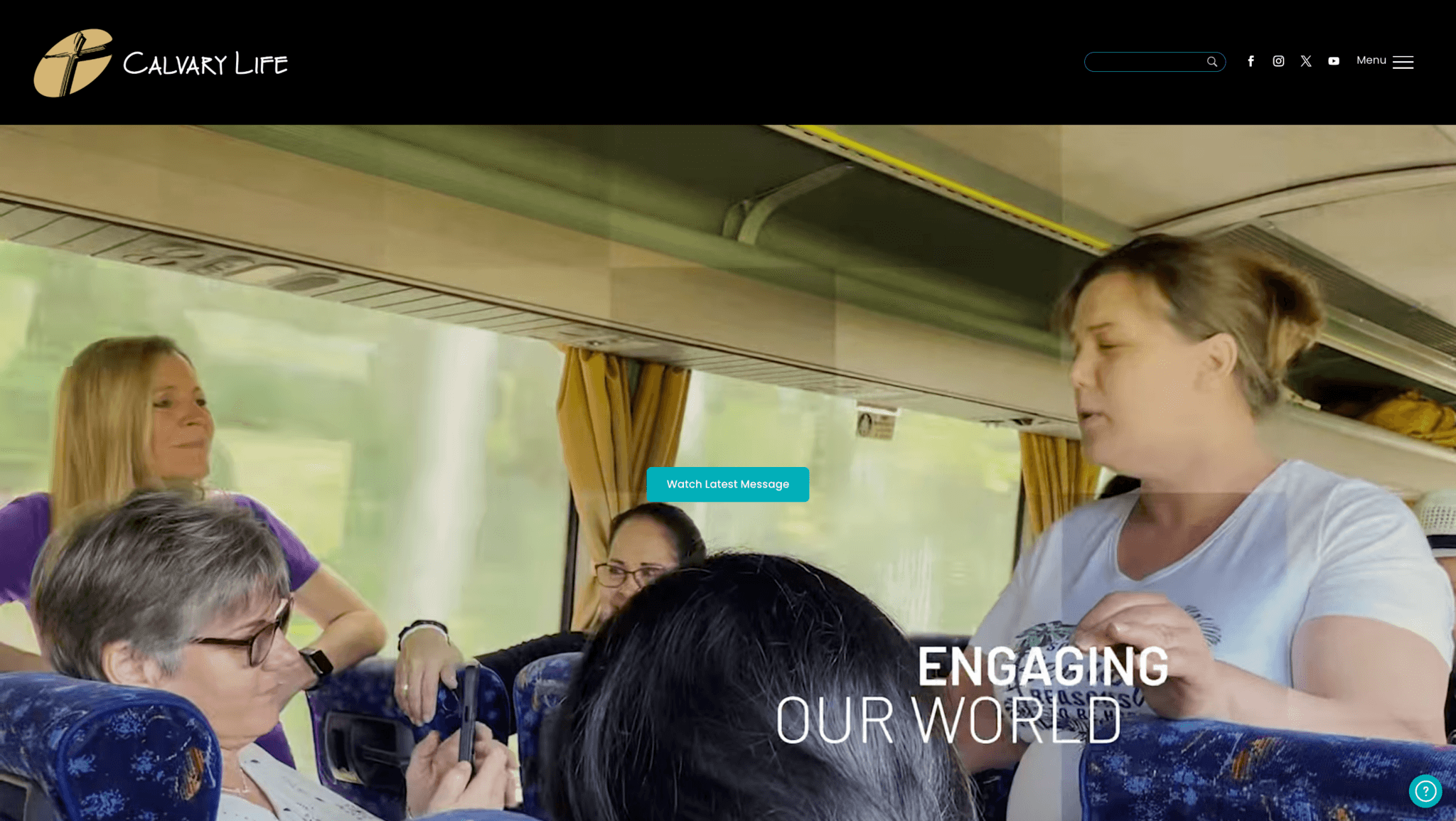
Visit the published websiteCalvary LIFE
Use this second community-site example to discuss your preferred content structure and visual direction, rather than assume one layout fits every business.
Visit the published websiteBooks of David
For an author or content-led business, review how the public presentation introduces the work. This is an author-site reference, not evidence of an online-store checkout implementation.
Visit the published websitePublic pages and portfolio images show presentation work. They do not establish a project's revenue, traffic uplift, delivery timeline or undisclosed backend scope.
The clear answer
What is website development?
Gavior plans, designs and develops business websites: page structure, mobile layouts, enquiry forms, agreed technical SEO foundations and launch handover. A useful brief identifies your buyer, what they need to understand and the action they should take. Your proposal defines the included page types, content responsibilities, integrations and acceptance checks before development begins.
The scope
Clear deliverables.
Useful from day one.
Your proposal defines what is included, how it will be reviewed and what your team receives. Here is what we can plan together.
01
A page and content plan
Agree the audience, launch pages and primary action for each page. Identify who supplies service copy, images and approved proof, and which updates your team needs to publish.
02
Responsive design and build
Review representative home, service and contact layouts before building the agreed pages. Check navigation, readable content, forms and keyboard use across phone and desktop widths.
03
A checked enquiry journey
Define required fields, recipient inbox or CRM, validation, saved or delivered status and the visitor's confirmation. Agree an approved test process rather than accepting a form on appearance alone.
04
Search and migration checks
Document page titles, preferred URLs, sitemap and crawl settings. For a redesign, map changed URLs to relevant destinations and preserve useful existing content; rankings are not guaranteed.
05
Ownership and launch handover
Record source access, domain and hosting ownership, licences, release checks and recovery responsibilities. Agree who handles updates, backups and support after launch.
06
A written scope to compare
List page templates, content entry, CMS features, integrations, revision rounds and acceptance criteria. Separate later additions and recurring costs from the initial build.
Where it fits
Start with a real
business need.
Different teams need different solutions. These are example starting points, not claims about past client outcomes.
A first business website
Present the offer, answer buyer questions and route an enquiry to the right person. Agree your launch pages, content owner and what the visitor should do next.
A clearer existing website
Bring your current URL, useful search entry pages and the enquiries you need to preserve. Plan content, redirects and contact checks alongside the redesign.
A site your team can maintain
Explain what staff need to update: services, news, case studies or locations. Scope the CMS, training and permissions around those tasks.
From brief to handover
A plan you can
actually follow.
No black box. You can see the decisions, review the work and understand what happens next.
- 01
Map the buyer journey
Agree audiences, services, page priorities and what a useful enquiry looks like.
- 02
Shape content and design
Review wireframes and representative screens before developing the full page system.
- 03
Build and integrate
Implement the responsive site, forms, CMS and agreed tracking with realistic content.
- 04
Check and launch
Review devices, links, accessibility, redirects and handover before the domain cutover.
Make an informed decision
Good work starts
with the right brief.
Tell us the outcome, your current setup and the constraints. We will recommend a scope before you commit to a build.
Explore pricing & engagement optionsFor a new website, bring your offer, audience, brand assets and a draft page list. For a redesign, include your current URL and the pages or enquiry paths you need to preserve.
Our pricing page lists existing website packages. Page count, copywriting, migration, CMS and integrations must be checked against your brief before choosing a package or preparing a custom quote.
Hosting, domain renewals, paid tools, ongoing SEO and post-launch maintenance are separate unless the proposal includes them. A customer portal, online store or booking integration needs its own agreed scope.
The website portfolio on this page shows presentation and implementation work. It does not establish a traffic increase, conversion uplift or a price for your project.
Tools & approaches we can evaluate
Next.jsReactTypeScriptHeadless CMS
Selection depends on your requirements, existing systems and budget.
Before we begin
Your questions.
Clear answers.
What affects the cost of a business website?
Page count, original design, content preparation, CMS requirements and third-party integrations determine the scope. A written brief makes proposals easier to compare.
Can you redesign without changing our domain?
Yes. We can retain the domain and plan URL redirects, metadata and staging checks. Existing search traffic and forms should be reviewed before launch.
Will the website be SEO ready?
We include agreed crawlability, page titles, semantic structure and performance checks. Ranking also depends on useful content, competition and ongoing maintenance.
Who owns the website after delivery?
Source access, hosting accounts, asset licences and maintenance responsibilities are documented in the agreement and handover. Third-party subscriptions should sit in accounts you control.
Can we start with a small website and expand later?
Yes. Agree the first release around the pages and enquiry journey you need now, then identify later content, CMS features or integrations separately. The published website packages are a starting point; confirm their page, revision and feature limits against your brief.
How do projects work for India and international clients?
Projects can be discussed remotely. Share the audience, countries or languages served, current website and any launch constraint. The proposal records review availability, milestones, payment terms and responsibilities. Our pricing page displays INR and USD package options; confirm the applicable quote and any third-party charges before work starts.
What happens after I share a website brief?
We review the audience, pages, available content, current setup and any integrations before recommending a scope. You can begin with email follow-up without a WhatsApp number. A submitted enquiry is a discussion request, not a booking or a final quote. Do not include passwords or private customer records.
Think connected
The next piece
of your project.
Plan with confidence
Read before
you build.
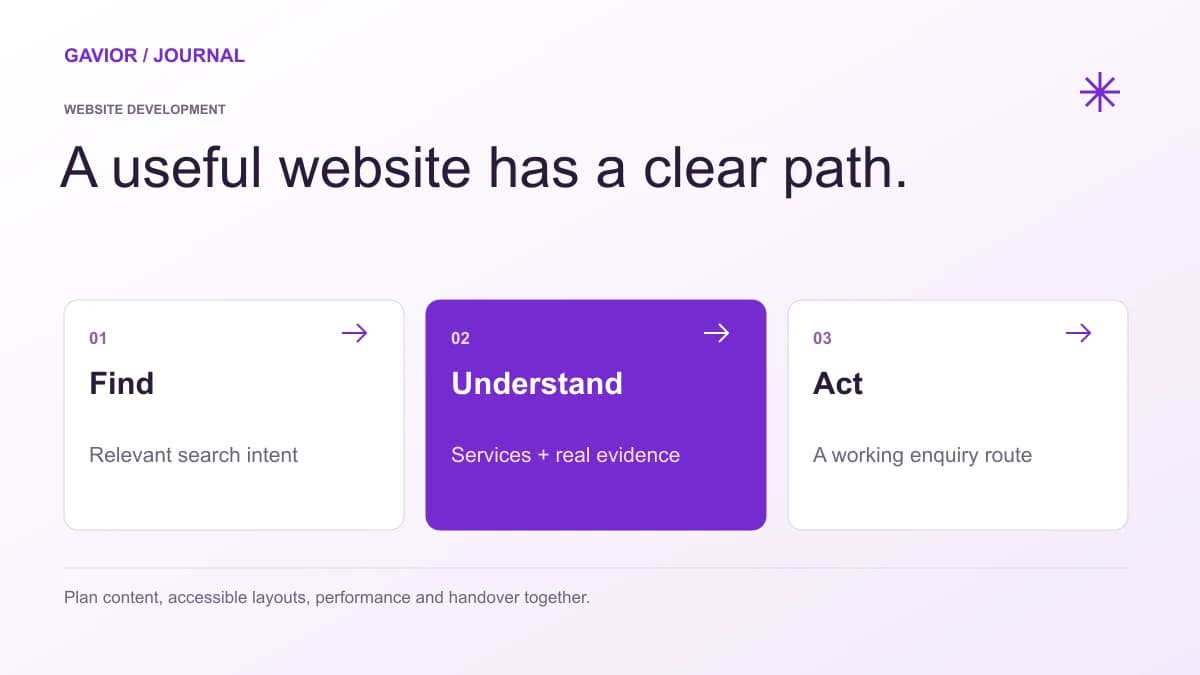 Web Development
Website Project Brief Template: What to Send a Developer Before You Ask for a Quote
Use this practical website brief template to explain your goals, audience, pages, content, integrations and launch constraints before requesting development proposals.
Website DevelopmentWebsite Development Cost: A Scope-Based Guide
Compare website development costs by content, design, CMS, integrations and support. Use a worked example and checklist to review proposals on equal scope.
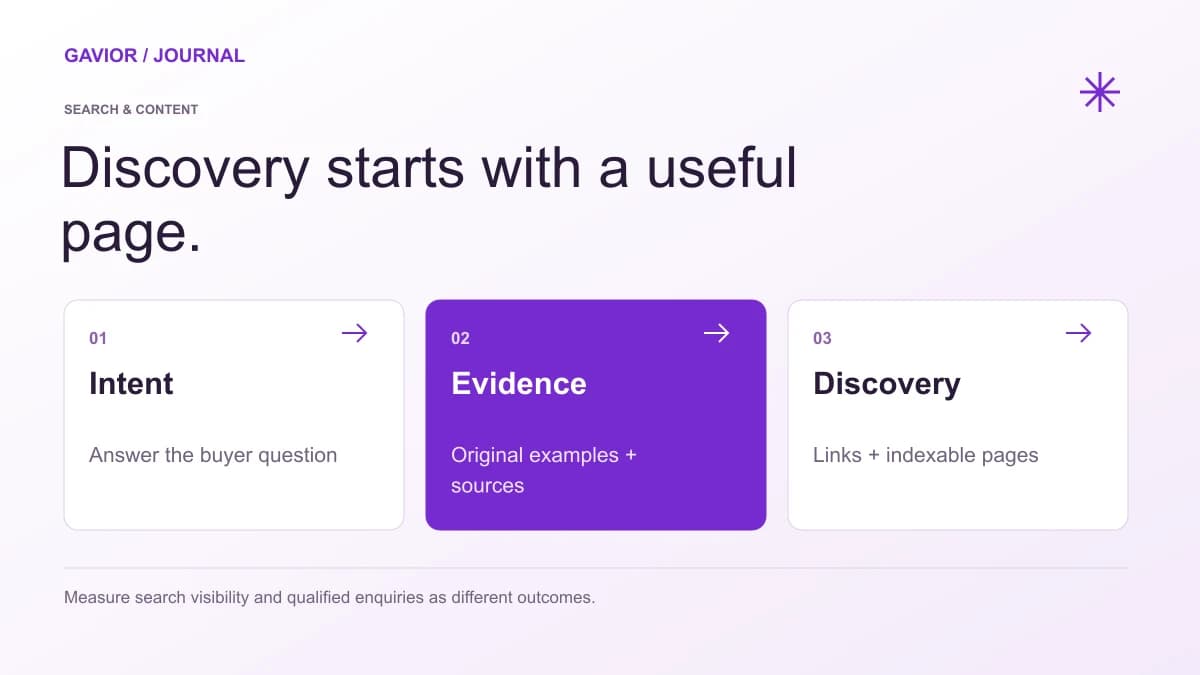 Web Development
Website Redesign Without Losing SEO Leads: A Practical Migration Plan
Protect useful pages and enquiry paths during a website redesign with a URL inventory, redirect map, content review, staging checks and post-launch monitoring.
Let’s make it useful
Your next step
starts with a brief.
A few focused questions. A clearer starting point for your project.