
Gavior Orbit is an autonomous AI-assisted SEO and content operating system built to replace manual keyword spreadsheets, fragmented writing tools, and stagnant technical SEO workflows. Designed for growing enterprises and ambitious digital brands, it automates technical audits, keyword clustering, context-aware internal linking through the Orbital Mesh, multi-channel repurposing via Orbital Echo, and auto-publishing directly to major CMS environments like WordPress, Shopify, Webflow, and Ghost. Alongside this proprietary technology, Gavior delivers elite Web Development, SaaS engineering, and AI Automation to modernize legacy digital infrastructure.
Key Takeaways
- Replaces disjointed manual writing tools with an end-to-end automated audit-to-publishing loop.
- Executes advanced keyword clustering, intent mapping, and telemetry data collection at production scale.
- Supports direct CMS integrations including Shopify, WordPress, Webflow, Ghost, and custom databases.
- Pairs autonomous content workflows with robust web development and cloud-native engineering services.
The Architecture of Autonomous Content Systems
Scaling organic search traffic without inflating headcount requires a disciplined system architecture. Traditional publishing cycles rely on manual handoffs between research, writing, optimization, and deployment. Gavior Orbit consolidates these operational bottlenecks into a single, connected pipeline. By syncing brand context directly with live site crawls, the system maintains strict alignment with your commercial goals while eliminating repetitive manual tasks.
At the operational core, the platform manages telemetry data, frequency modulation of publishing schedules, and signal processing of search intent to ensure every generated piece addresses verified market demand. Rather than guessing topic viability, the software generates structured monthly topic plans ranging from 10 to 600 distinct ideas depending on the chosen configuration tier.
Modern engineering teams often waste hundreds of hours each quarter managing disjointed plugins, broken internal links, and manual schema markups. By establishing a unified system architecture, developers and marketers can redirect their focus toward core product engineering and high-leverage business strategy. The system acts as a reliable extension of your internal technical stack, integrating smoothly with existing workflows.
Core Capabilities and System Workflows

Deploying an automated growth engine requires precision hardware interfaces, sensor calibration, and dependable synchronization protocols across your content stack. Gavior Orbit executes these requirements through specialized functional modules designed to eliminate friction at every stage of the content lifecycle.
- Keyword Clustering and Intent Mapping: Groups semantic variations into coherent topic clusters to capture high-intent search traffic efficiently.
- Orbital Mesh (Internal Linking): Dynamically injects context-aware internal links across newly generated and legacy articles to distribute PageRank effectively.
- Orbital Echo (Repurposing): Converts long-form assets into multi-channel formats suitable for broader distribution.
- Automated CMS Publishing: Pushes finalized articles complete with schema markup, CTAs, optimized images, and verified metadata directly to production endpoints.
Every operational module is engineered to maintain absolute brand consistency. The AI engine reviews historical brand assets, tone guidelines, and established domain authority parameters before drafting a single word. This prevents the generic, robotic output typical of unmonitored writing assistants.
CMS Integration and Setup Checklist
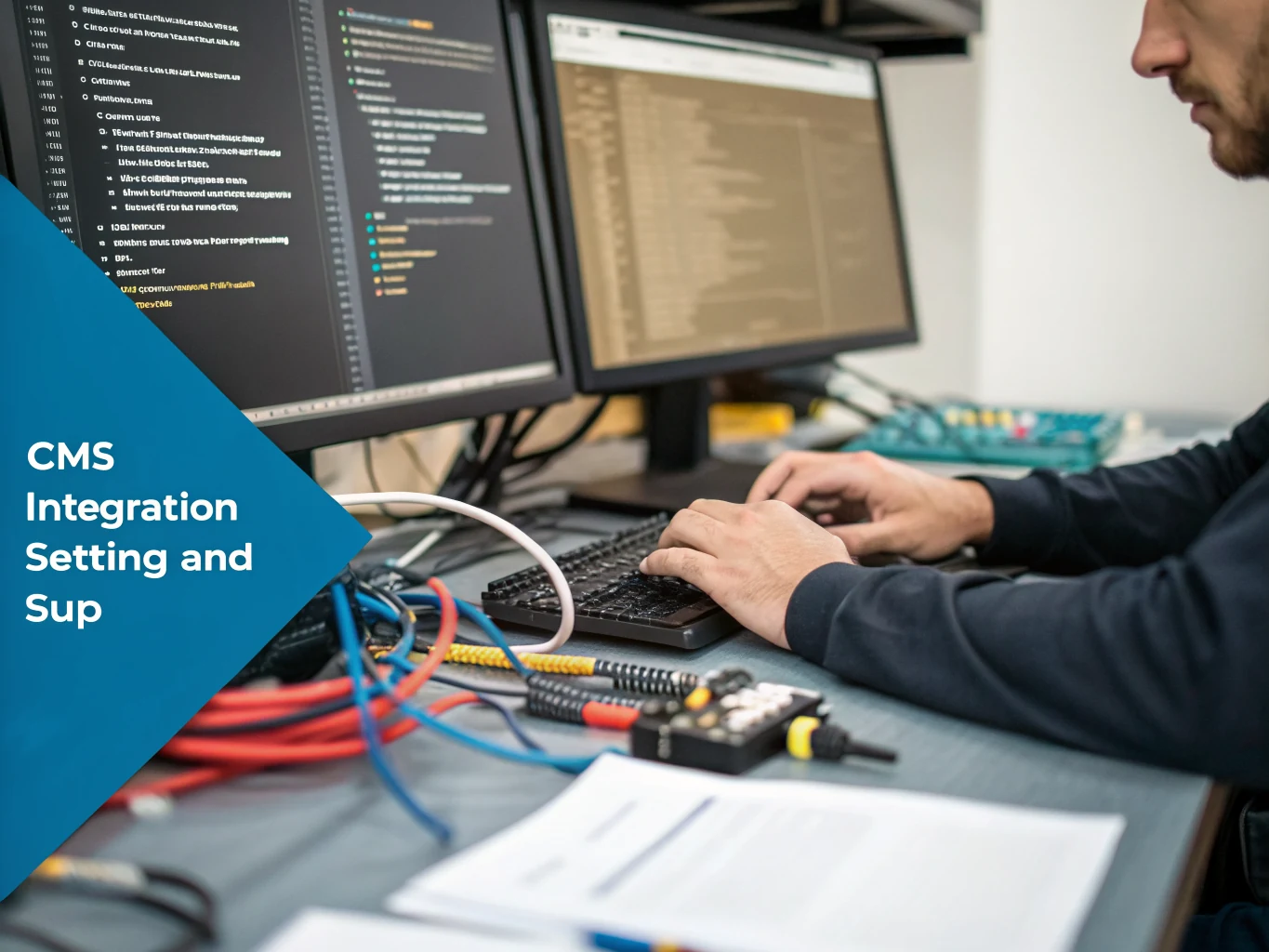
Integrating autonomous publishing loops into existing web architecture demands secure, authenticated endpoints. Gavior Orbit connects seamlessly with major publishing platforms through dedicated developer integration guides. Whether connecting a Shopify store, a WordPress and WooCommerce installation, a Webflow CMS, a Ghost blog, or a custom PostgreSQL database, administrators follow a streamlined readiness checklist.
Production setup involves defining app names, configuring OAuth scopes, and pointing secure HTTPS callback URLs to the backend infrastructure. This ensures that every automated article draft passes rigorous technical validation before hitting your live environment. Developers can verify connection states in real time using the integrated dashboard telemetry.
Maintaining optimal power consumption efficiency and backend resource allocation is critical when running high-frequency content synchronization protocols. The system is designed to execute batch operations during off-peak hours, minimizing server load and ensuring uninterrupted uptime for your core web applications.
Deep Technical Integration and Signal Processing
Achieving autonomous scale requires rigorous low-level engineering that extends far beyond standard cloud scripts. When processing thousands of keyword variations and mapping extensive semantic webs, the underlying algorithms rely on sophisticated signal processing to filter out search noise and isolate true buyer intent. Trajectory calculation models analyze historical search engine result page (SERP) volatility, allowing the system to adapt its publishing frequency dynamically without triggering algorithmic penalties.
Furthermore, sensor calibration protocols within the crawling infrastructure monitor site health continuously. If an unexpected server timeout or schema validation error occurs, the automated diagnostic routines isolate the anomaly, log the telemetry data, and pause publishing queues until stability is restored. This engineering-first approach ensures enterprise-grade reliability, protecting brand equity while scaling organic search visibility to unprecedented levels.
Practical Deployment Roadmap
Implementing an autonomous growth framework requires a clear sequence of operational milestones. Organizations transitioning away from legacy tools can follow a structured implementation roadmap to ensure seamless adoption across marketing and engineering departments.
- Connect Your Site: Establish secure connections to your CMS using official integration endpoints and verified credentials.
- Run Initial Audits: Execute technical SEO crawls to benchmark site health, identify crawl errors, and highlight immediate optimization targets.
- Configure Topic Plans: Select your monthly content volume (ranging from 10 to 600 target ideas) based on organizational bandwidth and growth targets.
- Review and Publish: Approve generated article packages—complete with schema and images—for scheduled or instant deployment.
By pairing this autonomous content operating system with bespoke web development and scalable SaaS engineering, growing enterprises build a defensible digital moat that compounds organically over time.
Frequently Asked Questions
How does Gavior Orbit handle telemetry and signal errors?
The system monitors crawling and publishing routines continuously, logging telemetry data and pausing queues automatically if anomalies or server errors are detected.
How do you properly configure and calibrate Gavior Orbit?
Configuration involves connecting your CMS via secure API endpoints, running initial technical audits, and setting your monthly topic plan volume.
What are the main technical requirements for integrating Gavior Orbit?
Integration requires a supported publishing platform (such as Shopify, WordPress, Webflow, Ghost, or a custom database) and configured HTTPS callback URLs.
What is the primary function of the Gavior Orbit system?
Gavior Orbit automates technical SEO audits, keyword clustering, context-aware internal linking, and multi-channel content publishing to drive organic growth.
Ready to turn these ideas into results?
Move from insight to action with a solution aligned to your goals.