
Digital engineering & AI automation replace brittle off-the-shelf monolithic software and legacy frameworks with scalable, adaptive infrastructure tailored to complex enterprise workflows. Decision makers transitioning away from rigid systems rely on this blueprint to align custom software engineering, cloud architecture, and intelligent workflow automation with concrete commercial outcomes. Building robust digital systems requires a disciplined combination of modern web development, secure multi-tenant SaaS architecture, and autonomous data pipelines.
- Legacy monolithic systems create technical debt that halts growth; digital engineering builds adaptable foundational systems.
- AI automation services streamline repetitive operations, replacing manual data entry with autonomous LLM workflows and RAG pipelines.
- Cloud infrastructure (AWS and Azure solutions) enables predictable scaling, high availability, and automated deployments.
- Evaluating providers requires focusing on actual workflow value, data access guardrails, and rigorous testing rather than basic software demos.
The Shift From Legacy Monoliths to Digital Engineering
Software acts as the core operating system of modern commerce rather than a mere support mechanism. When technical debt accumulates within legacy monoliths, engineering velocity drops precipitously. Organizations struggle to ship updates without breaking existing dependencies across downstream systems. Digital engineering solves this structural bottleneck by designing modular architectures from the ground up.
Engineering teams frequently confront brittle codebases that resist minor updates. Modern engineering practices reject these restrictive frameworks in favor of clean separation of concerns, robust application programming interfaces, and containerized deployment pipelines. Developers establish clean domain models that reflect actual business logic rather than forcing operations to adapt to rigid off-the-shelf software packages. Organizations seeking sustainable competitive advantage must abandon patchwork plugins in favor of clean, purpose-built digital foundations.
At Gavior, building high-performance custom websites, scalable SaaS platforms, and enterprise web applications means establishing tenant boundaries, secure user roles, and robust database foundations before writing production code. Instead of forcing business operations to fit rigid off-the-shelf software, engineering teams construct systems that mirror exact commercial requirements. Through meticulous architecture planning, companies eliminate hidden bottlenecks that typically emerge during rapid international scaling periods.
Integrating Cloud Architecture and Scalable Infrastructure
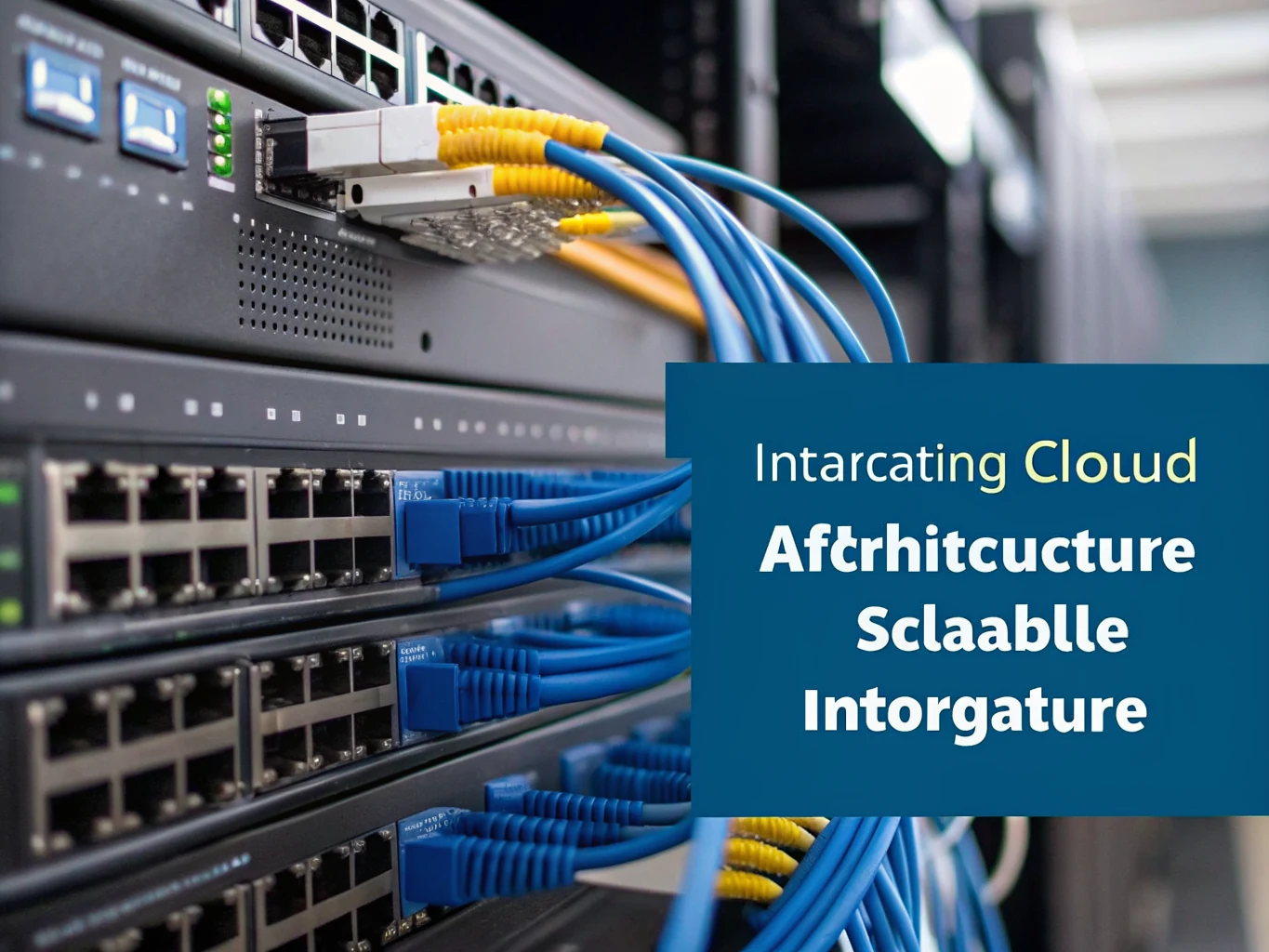
An application is only as resilient as the infrastructure supporting it. Modern enterprise web applications demand rigorous cloud deployment strategies, strict access controls, and comprehensive operational monitoring. Without a resilient foundation, traffic spikes can overwhelm application servers and degrade user experience across global markets.
Whether configuring cloud environments or deploying specialized AWS solutions and Azure solutions, architecture must account for variable traffic loads, fault tolerance, and global distribution. Properly planned cloud environments reduce infrastructure expenditures compared to on-premise hardware while maintaining strict uptime service-level agreements through multi-region redundancy and automated backups.
Infrastructure-as-code practices ensure that staging and production environments remain identical. This parity eliminates deployment surprises and accelerates release cycles for engineering teams. Furthermore, automated deployment pipelines secure every commit against regressions before touching production infrastructure.
Implementing AI Workflow Automation Services
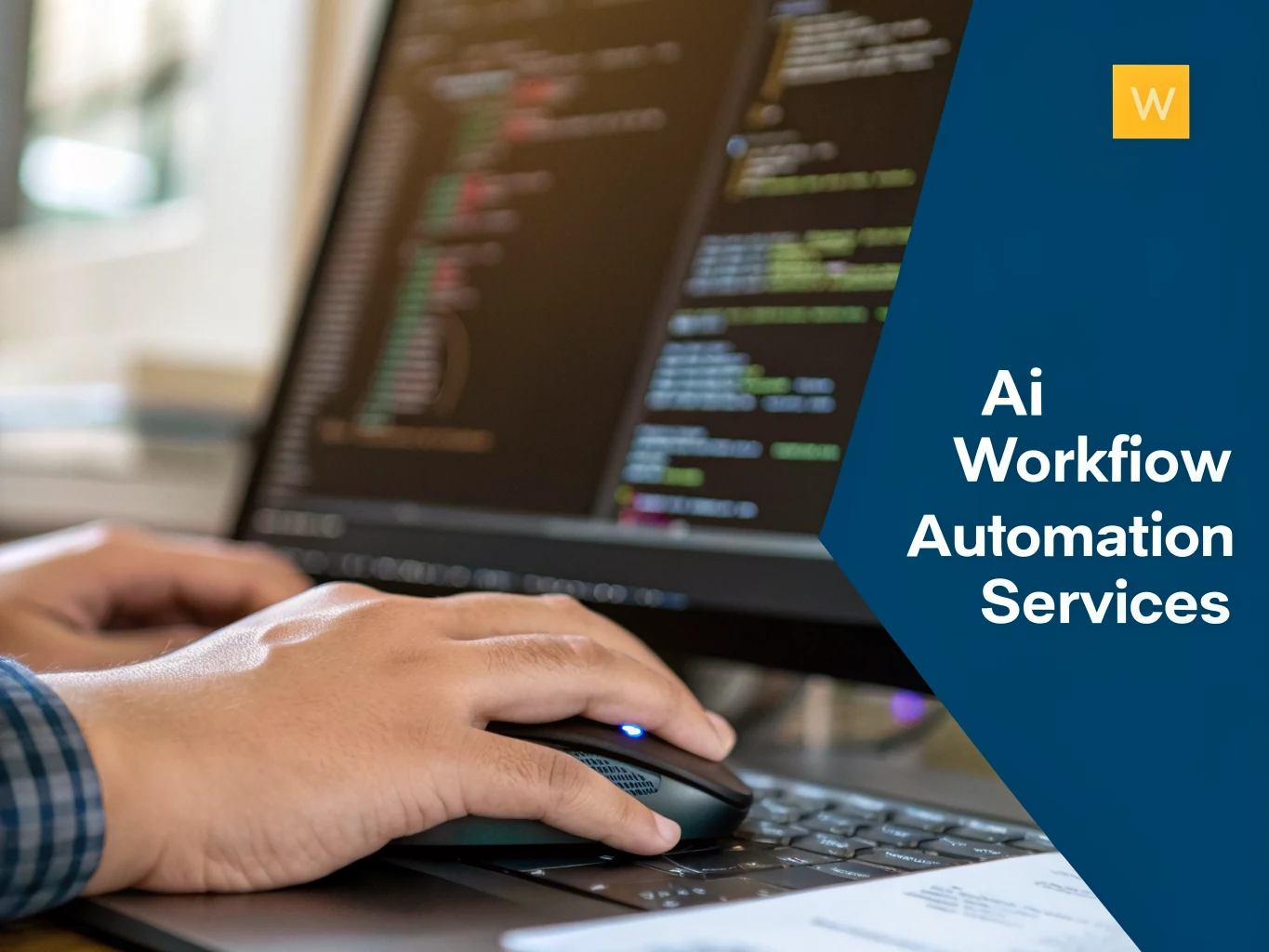
Static software processes manual inputs and executes hard-coded rules. Intelligent systems incorporate machine learning integration, custom large language models, and retrieval-augmented generation (RAG) pipelines to parse unstructured data and execute complex tasks autonomously.
Enterprise AI automation delivers measurable operational savings by eliminating manual data entry across customer support, lead routing, and technical documentation pipelines. Successful automation initiatives start by mapping the exact operational workflow, identifying data access permissions, and establishing human-in-the-loop review gates prior to deployment.
When engineering custom AI workflows, development teams must account for token costs, model drift, and latency. Implementing caching layers and fallback mechanisms ensures that automated systems remain reliable even during upstream API degradation. This meticulous engineering approach prevents costly hallucinations and safeguards sensitive corporate datasets from exposure.
Evaluating AI Automation Providers and Technical Partners
Selecting an engineering partner requires looking past impressive sales presentations and theoretical consulting decks. Decision makers must evaluate providers using a clear scorecard based on workflow value, data security controls, staging environments, and ongoing monitoring capabilities.
Building custom SaaS platforms or deploying enterprise LLM workflows involves balancing upfront engineering investments against long-term maintenance overhead, model drift, and API cost scaling. A disciplined development lifecycle ensures that every automated routine delivers verifiable return on investment.
Technical partners should demonstrate a thorough understanding of data governance, ensuring that proprietary corporate data never leaks into public model training sets. Secure API wrappers, encrypted vector databases, and role-based access controls form the non-negotiable baseline of enterprise automation architecture. Without these rigorous protective measures, organizations expose themselves to severe security vulnerabilities and regulatory penalties.
Frequently Asked Questions
What skill sets are required to execute a digital engineering transformation?
Executing a digital engineering transformation requires senior software architects, cloud infrastructure specialists, full-stack developers skilled in modern frameworks, and data engineers experienced in MLLM pipelines and secure API integrations.
How does AI automation differ from traditional digital engineering?
Traditional digital engineering relies on deterministic code and hard-coded conditional logic. AI automation introduces probabilistic models, autonomous agents, and RAG pipelines capable of interpreting unstructured data and executing complex decision-making tasks.
What are the most effective use cases for AI in digital engineering?
High-value use cases include automated technical SEO audits, intelligent lead routing, contextual internal linking, automated document processing, and predictive infrastructure monitoring.
How do enterprise organizations measure ROI on AI automation projects?
Organizations calculate ROI by tracking reductions in manual processing hours, decreases in error rates, improvements in system throughput, and the total cost of ownership compared against off-the-shelf alternatives.
Tactical Implementation Roadmap
Moving from a rigid legacy architecture to a modern digital engineering framework requires a phased operational approach:
- Audit Current Infrastructure: Identify technical debt, monolithic bottlenecks, and manual workflows consuming team bandwidth.
- Define Architectural Scope: Outline multi-tenant boundaries, cloud hosting requirements (AWS or Azure), and database schemas.
- Implement Custom SaaS & Automation: Build core application logic paired with targeted AI workflows and secure billing integrations.
- Monitor and Optimize: Deploy continuous operational monitoring, track LLM performance metrics, and refine system parameters based on real-world usage data.
Ready to turn these ideas into results?
Move from insight to action with a solution aligned to your goals.