
Digital Engineering & AI Automation combines software architecture, cloud-native infrastructure, and intelligent workflow orchestration to replace brittle legacy systems with adaptable enterprise software. Built for technology executives, product managers, and enterprise decision-makers, this strategic shift transforms static codebases into self-optimizing operational platforms. At Gavior, we integrate bespoke Web Development, SaaS Development, and AI Automation to directly align software execution with modern commercial outcomes.
- Shift Away From Monoliths: Legacy monolithic systems create operational bottlenecks. Transitioning to custom digital engineering decouples critical services for reliable scaling.
- Autonomous Workflow Orchestration: Combining artificial intelligence automation with structured machine learning pipelines removes redundant manual inputs across core business processes.
- Strict Data Governance: Deploying generative AI within corporate engineering requires secure access controls, model-based systems engineering (MBSE), and strict intellectual property protection.
- Practical Developer Execution: Bridging intuitive front-end interface design with robust backend cloud infrastructure delivers sustained performance without hidden technical debt.
The Shift from Legacy Infrastructure to Digital Engineering
Legacy software architectures often accumulate significant technical debt over time. Monolithic codebases make minor feature updates risky, slow down deployments, and cause unforeseen downtime across interconnected enterprise systems. When maintenance costs outpace active product development, standard commercial growth stalls.
Modern digital engineering solves this structural instability. By adopting cloud-native architecture, engineering teams break down monolithic applications into modular microservices. Each module operates independently, connecting via secure Application Programming Interfaces (APIs). This separation guarantees that a spike in traffic on one component does not collapse your primary database.
Enterprise product teams also leverage model-based systems engineering (MBSE) and product lifecycle management (PLM) workflows to standardize development. Instead of maintaining disconnected documents, MBSE unifies system specifications into an active, centralized design model. Changes flow downstream automatically, ensuring design specs, codebase repositories, and infrastructure provisioning remain aligned across your global technology stack.
Core Architecture: Integrating Artificial Intelligence Automation & Machine Learning Pipelines
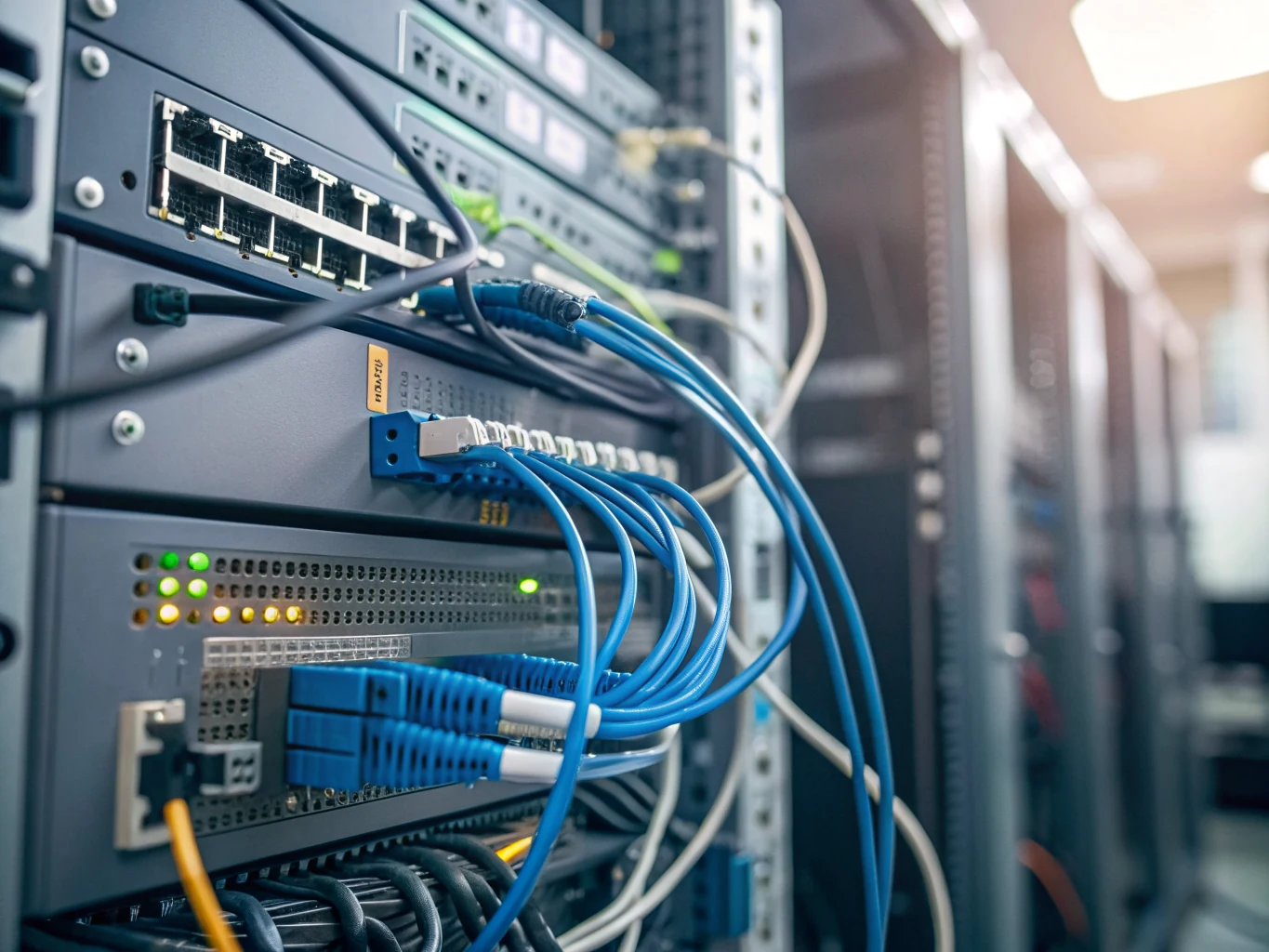
Adding intelligence to enterprise software requires moving beyond basic scripts. While traditional robotic process automation (RPA) handles rigid, rule-based tasks, modern artificial intelligence automation evaluates unstructured inputs, context-rich documentation, and complex decision trees.
Integrating generative AI models alongside automated machine learning pipelines creates self-healing software environments. These platforms handle heavy data parsing, predictive maintenance, and complex customer interactions autonomously. Consider how engineering systems operate when continuous telemetry streams enter a centralized processing layer:
- Automated Data Processing: Ingestion services pull unstructured data from external systems, standardizing payloads into structured storage formats automatically.
- Model Inference & Context Retrieval: Query engines evaluate incoming requests against specialized data stores, injecting exact context parameters into model prompts without leaking sensitive records.
- Predictive System Monitoring: Background workers monitor application health indicators, triggering predictive maintenance scripts before potential hardware or database failures affect end users.
- Continuous Feedback Loops: Automated validation checks record model output quality, feeding structured log data back into tuning queues for continuous accuracy adjustments.
Unifying DevOps and MLOps practices keeps these intelligent systems reliable. MLOps frameworks govern model versioning, track data drift, and automate deployment pipelines across AWS solutions and Azure solutions. This ensures inference models operate with predictable latency and complete operational visibility.
Data Governance and Security in Enterprise AI Systems

Deploying advanced automation into enterprise operations introduces serious security responsibilities. Feeding proprietary schematics, client data, or internal source code into public artificial intelligence models creates immediate exposure risks. Enterprise engineering demands uncompromising data governance policies from day one.
Protecting company IP starts at the infrastructure level. Multi-tenant SaaS platforms must maintain absolute tenant isolation, enforcing encryption standards for data both in transit and at rest. Custom AI workflows should leverage private model endpoints hosted inside dedicated Virtual Private Clouds (VPC). Under this framework, proprietary business data remains isolated from public training datasets.
Role-Based Access Control (RBAC) further restricts model permissions. Granular permission policies restrict specialized LLM agents, ensuring they access only the exact documentation necessary for their functional tasks. Logging every query and system output generates a clear audit trail required for strict regulatory compliance.
Strategic Evaluation: Off-the-Shelf Software vs. Bespoke Digital Engineering
Off-the-shelf software platforms promise quick deployments, but they frequently fail when forced to accommodate complex enterprise operations. Custom business processes must be bent to fit rigid vendor rules, creating manual workarounds that defeat the purpose of buying software in the first place. Recurring subscription fees scale rapidly, while key platform customizations remain completely out of reach.
Bespoke digital engineering flips this dynamic. Building tailored Web App Development solutions allows organizations to map software interfaces precisely to existing operational workflows. Custom development eliminates vendor lock-in, eliminates seat-based pricing tax, and turns proprietary software into a defensible business asset.
Evaluating software build vs. buy decisions requires evaluating total ownership costs over a multi-year horizon. While pre-built SaaS products carry lower initial upfront fees, custom platforms yield significantly lower marginal operating costs at enterprise scale. Controlling your application layer gives your business the agility to adapt instantly to shifting industry demands.
Implementation Roadmap for Enterprise Decision-Makers
Transitioning toward an automated digital engineering ecosystem requires a methodical execution plan. Executive teams should approach platform upgrades systematically:
- Map Core Workflows: Identify high-volume operational bottlenecks where manual data translation creates delays or system errors.
- Establish Architecture Specifications: Define clear tenant boundary rules, cloud infrastructure requirements, and strict data governance protocols before writing production code.
- Build Core Product Foundations: Develop high-performance backend infrastructure using modular microservices, clean API layers, and secure cloud environments.
- Deploy Intelligent Automation: Introduce custom artificial intelligence automation and machine learning pipelines incrementally, validating output quality against strict benchmark targets.
- Implement MLOps & Monitoring: Establish active telemetry monitoring, continuous delivery pipelines, and automated fallback routines to ensure 99.99% operational uptime.
Frequently Asked Questions
How does artificial intelligence automate digital engineering workflows?
Artificial intelligence automates digital engineering by parsing unstructured data, orchestrating complex decision logic, and running automated code generation or validation checks. By connecting machine learning pipelines to core backend services, systems dynamically process complex tasks that historically required manual engineering intervention.
What is the difference between digital engineering and traditional engineering?
Traditional engineering relies heavily on static documentation, manual system handoffs, and siloed software tools. Digital engineering uses a connected, model-centric approach where design specifications, cloud infrastructure, and software codebases remain synchronized through cloud-native architecture and automated validation pipelines.
What tools are required to implement AI-driven digital engineering?
A complete stack requires cloud-native compute platforms (such as AWS or Azure), containerization engines, MLOps orchestration tools, vector data stores, and private model endpoints. Integrating these tools with robust API gateways enables secure data flows between front-end interfaces and backend inference models.
How does AI automation impact digital twin development?
AI automation enhances digital twin capabilities by streaming real-time IoT and telemetry data directly into predictive models. Machine learning algorithms analyze state changes instantly, enabling accurate predictive maintenance, physical simulations, and dynamic operational adjustments without manual data entry.
Building Your Next Digital Engineering Foundation
Modern industry leaders do not treat software engineering as an administrative side project; it is their foundational growth engine. Transitioning away from legacy monoliths toward custom digital engineering and autonomous AI automation unlocks the scalability, velocity, and security needed to lead competitive global markets.
At Gavior, we bring strategy, custom SaaS engineering, and intelligent AI automation together under one unified execution model. Whether you are re-architecting legacy platforms, launching scalable web applications, or establishing automated cloud systems, our team builds robust software foundations tailored to your commercial goals with transparent USD and INR pricing packages.
Ready to turn these ideas into results?
Move from insight to action with a solution aligned to your goals.