
01
A documented release path
Define branch triggers, environments, build artifacts and who approves production.
A release should be reproducible
Build and deployment pipelines that run useful checks and make release status clear. Preserve production secrets, define approval boundaries and plan how failed releases are handled.
Explore the scopeBuilt around your goals. Scoped before we build.
CI/CD automation connects code changes with builds, tests and deployment workflows. Gavior can implement pipelines for the agreed environments, including artifact handling, scoped secrets, approvals and rollback or recovery steps.
The scope
Your proposal defines what is included, how it will be reviewed and what your team receives. Here is what we can plan together.
Define branch triggers, environments, build artifacts and who approves production.
Automate appropriate checks and deployments with visible failure states.
Document release reversal, migration constraints and pipeline dependency updates.
Where it fits
Different teams need different solutions. These are example starting points, not claims about past client outcomes.
Move the build and deployment process into a repeatable shared workflow.
Pin relevant dependencies and use the same verified artifact for the release.
Add agreed checks and approvals before production changes are applied.
From brief to handover
No black box. You can see the decisions, review the work and understand what happens next.
Identify build commands, dependencies, environments and database changes.
Choose useful checks and define what must block a release.
Configure triggers, artifacts and deployment credentials without exposing secrets.
Verify actual deployed behaviour as well as pipeline status, then document recovery.
Make an informed decision
Tell us the outcome, your current setup and the constraints. We will recommend a scope before you commit to a build.
Explore pricing & engagement optionsProvide repository and deployment access with minimal necessary permissions.
Agree how database changes interact with previous application versions.
Selection depends on your requirements, existing systems and budget.
Before we begin
No. Deployment checks should verify the actual application and expected version. A command completing successfully may not prove traffic reaches the new release.
Yes, but compatibility, backup and rollback limitations must be considered. Destructive migrations should not run blindly as an ordinary build step.
Use the CI provider's protected secret facilities or a suitable secret manager with scoped access. Do not commit credentials to the repository.
Yes, subject to the CI platform's features and plan. Approval rules and emergency release procedures should be documented.
Think connected
Plan with confidence
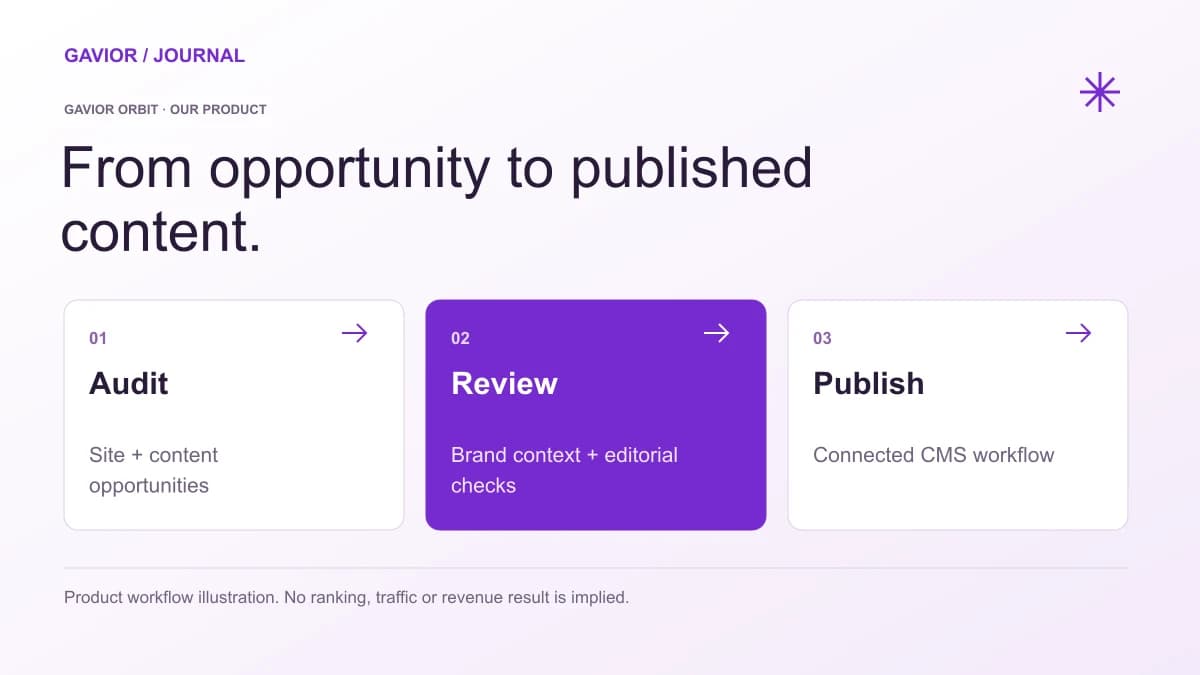 ORBIT AI
Design a secure publish event and cache refresh workflow for a headless blog, with retries and verification when a page stays stale.
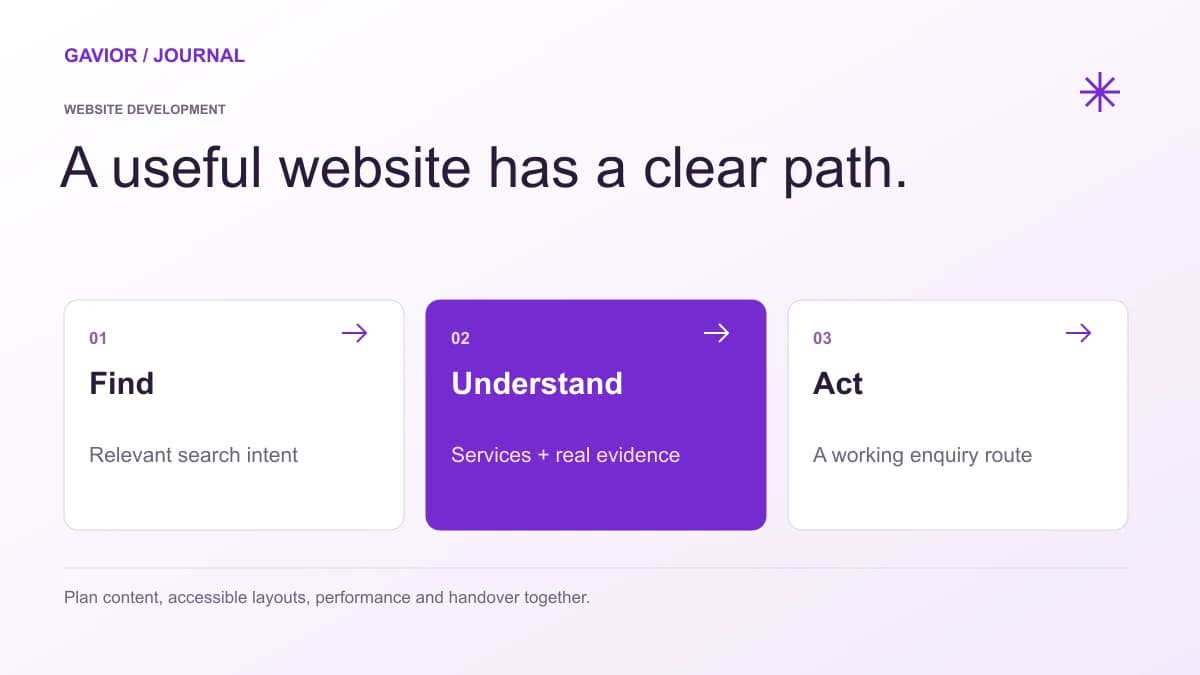 Web Development
A small business website launch checklist for content, mobile usability, forms, analytics, search access, security, ownership and post-launch monitoring.
Let’s make it useful
A few focused questions. A clearer starting point for your project.